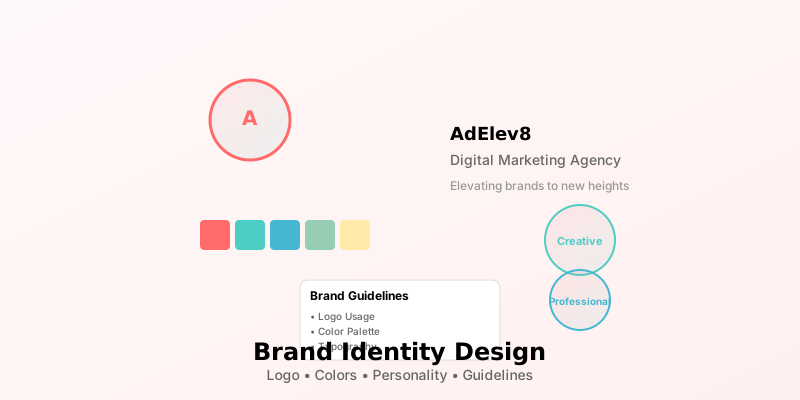
In today's crowded marketplace, a strong brand identity is the difference between being remembered and being forgotten. Your brand identity encompasses everything from your logo and color palette to your tone of voice and customer experience.
A well-crafted brand identity creates emotional connections with your audience, builds trust, and drives loyalty. This comprehensive guide will walk you through the essential elements of brand identity design and how to create one that resonates with your target audience.
Understanding Brand Identity
Brand identity goes beyond just a logo—it's the personality and character of your business as perceived by your customers. It includes every touchpoint where customers interact with your brand.
Visual Identity
Logo, colors, typography, imagery, and graphic elements that represent your brand visually
Brand Voice
The tone, language, and communication style used in all brand messaging
Brand Values
The core principles and beliefs that guide your business decisions and actions
Brand Personality
The human characteristics and traits that define how your brand behaves
The Logo: Your Brand's Face
Your logo is often the first thing people notice about your brand. It should be memorable, scalable, and work across all mediums and sizes.
Logo Design Principles:
- Simplicity: Clean, uncluttered designs that are easy to recognize
- Versatility: Works in color, black and white, and at various sizes
- Timelessness: Avoid trends that will quickly become outdated
- Relevance: Reflects your industry and target audience
- Memorability: Stands out and is easy to recall
Color Palette: Setting the Mood
Colors evoke emotions and can significantly impact how people perceive your brand. Choose colors that align with your brand personality and resonate with your target audience.
Color Meanings:
- Blue: Trust, reliability, professionalism
- Green: Growth, health, environmental consciousness
- Red: Energy, passion, urgency
- Yellow: Optimism, creativity, warmth
- Purple: Luxury, creativity, wisdom
- Black: Elegance, sophistication, power
Typography: The Voice of Your Brand
Typography communicates personality and hierarchy. Your font choices should reflect your brand's character and ensure readability across all platforms.
Typography Best Practices:
- Font Pairing: Combine complementary fonts for headings and body text
- Hierarchy: Use size, weight, and spacing to create clear information hierarchy
- Readability: Ensure text is legible on all devices and backgrounds
- Consistency: Use the same fonts across all brand materials
- Accessibility: Choose fonts that are accessible to people with disabilities
Brand Guidelines: The Rulebook
Brand guidelines ensure consistency across all touchpoints. They serve as a reference for anyone creating content for your brand.
Essential Guidelines Include:
- Logo Usage: Clear and don'ts for logo application
- Color Specifications: Exact color codes and usage rules
- Typography Rules: Font families, sizes, and spacing guidelines
- Imagery Style: Photography and illustration guidelines
- Tone of Voice: Writing style and communication guidelines
Brand Voice and Personality
Your brand's voice is how you communicate with your audience. It should be consistent across all channels and reflect your brand's personality.
Friendly & Approachable
Use conversational language, emojis, and personal anecdotes
Professional & Authoritative
Use formal language, industry jargon, and data-driven content
Playful & Creative
Use humor, wordplay, and unconventional approaches
Implementing Your Brand Identity
Creating a strong brand identity is an ongoing process that requires consistency, flexibility, and regular evaluation. Remember that your brand identity should evolve as your business grows and your audience changes.
1. Research & Discovery
Understand your audience, competitors, and market positioning
2. Strategy Development
Define your brand personality, values, and positioning
3. Visual Identity Design
Create logos, color palettes, and typography systems
4. Guidelines Creation
Document all brand standards and usage rules
5. Implementation
Roll out the brand identity across all touchpoints
6. Monitoring & Evolution
Track performance and evolve the brand as needed
Ready to Build Your Brand Identity?
Let our branding experts create a cohesive brand identity that captures your vision and resonates with your audience.
Start Brand Design